Choosing the right transportation service can significantly impact your business operations. Whether you regularly ship large quantities of goods or occasionally transport smaller consignments, selecting the appropriate logistics solution helps improve delivery efficiency and manage transportation costs.
Two of the most widely used freight solutions are Full Truck Load (FTL) and Part Truck Load (PTL) services. While both are designed to move cargo safely, they serve different business requirements. Understanding how they work can help you make informed logistics decisions and improve your overall supply chain performance.
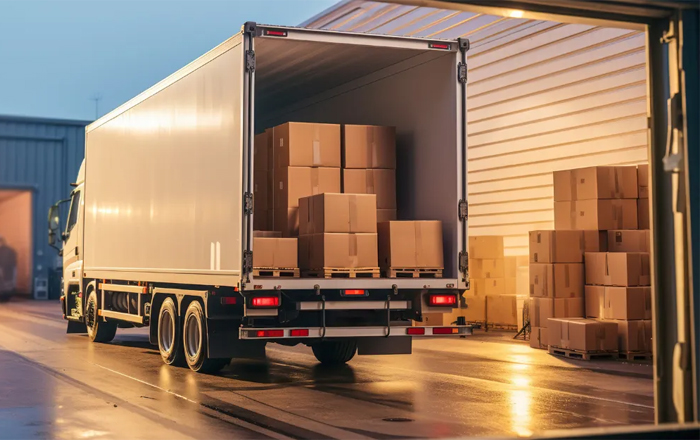
Full Truck Load (FTL) is a transportation service where an entire truck is dedicated to a single customer's shipment. This option is generally suitable for businesses transporting large volumes of goods that require exclusive vehicle space.
FTL is commonly used by manufacturers, distributors, construction companies, and industries with regular large-scale transportation requirements.
Part Truck Load (PTL) allows multiple customers to share truck space. Businesses pay only for the portion of the vehicle their cargo occupies, making it a practical solution for medium-sized shipments.
PTL is widely preferred by wholesalers, retailers, e-commerce businesses, and companies that do not require an entire truck for every shipment.
Choosing between FTL and PTL depends on your shipment size, delivery timeline, and transportation priorities.
Before selecting a logistics solution, evaluate the following factors carefully:
A careful assessment of these factors helps businesses choose the most efficient transportation option while avoiding unnecessary logistics costs.
An appropriate freight solution contributes to better operational efficiency and customer satisfaction. Well-planned transportation reduces delays, improves inventory movement, and supports a more reliable supply chain.
Professional logistics planning also helps businesses:
Both Full Truck Load (FTL) and Part Truck Load (PTL) services offer valuable transportation solutions, but the right choice depends on your specific business requirements. FTL is well suited for large, time-sensitive shipments, while PTL provides a cost-effective option for smaller consignments that do not require an entire vehicle.
By understanding your shipment size, delivery expectations, and logistics priorities, you can select the transportation service that best supports your operations. Making informed logistics decisions not only improves efficiency but also strengthens your supply chain and contributes to long-term business success.
>